
Root Canal Retreatment: When and Why It's Needed
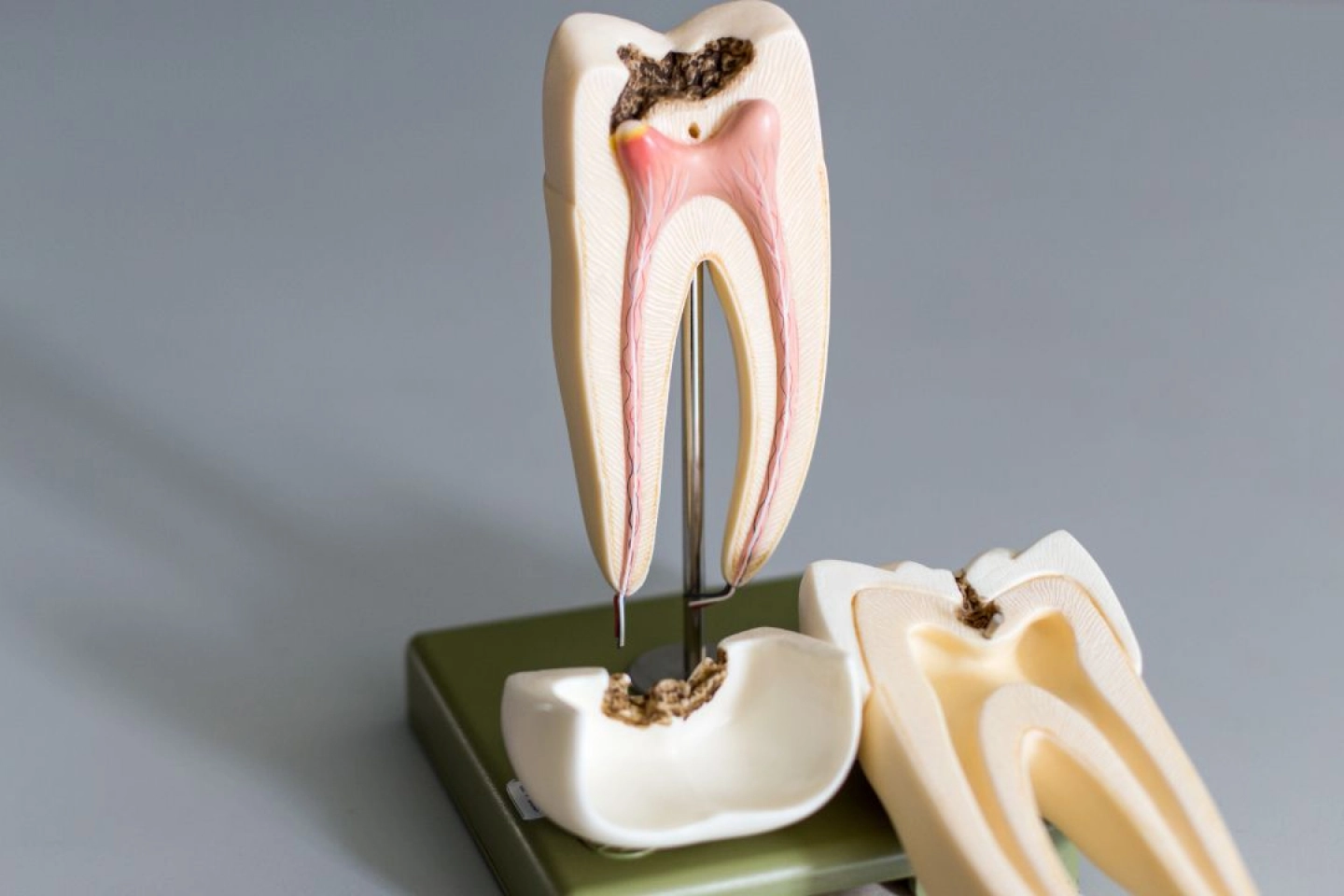
Sometimes, a tooth that has already undergone a root canal may not heal properly or may develop new issues over time. In such cases, root canal retreatment can help preserve your natural tooth and restore its function.
Whenever possible, saving your natural tooth is always the best option. Learn more about the original procedure in root canal treatment.
When Is Root Canal Retreatment Needed?
Retreatment may be necessary if:
- The original infection did not fully heal
- A crown or restoration was delayed or failed
- New decay has formed
- The tooth becomes painful again
In some cases, symptoms may appear months or even years after the initial procedure.
If left untreated, infection can spread and lead to more serious complications. Early diagnosis through dental exams and cleanings is essential.
Why Do Root Canals Sometimes Fail?
Although root canal treatments have a high success rate (around 95%), failures can occur due to:
- Narrow or curved canals missed during treatment
- Complex root anatomy
- Delayed placement of a crown
- Contamination from bacteria
- New decay or damage to the tooth
Understanding these causes helps guide the retreatment process.
How Root Canal Retreatment Works
Retreatment is typically completed in one or two visits:
- The dentist examines the tooth and takes X-rays
- The tooth is reopened to access the root canal
- Old filling material is removed
- Canals are cleaned and disinfected
- The canals are refilled and sealed
- A temporary filling is placed
After retreatment, a permanent restoration such as a dental crown is needed to protect the tooth.
Professional root canal treatment services ensure proper care and long-term success.
What Happens After Retreatment?
Once retreatment is complete:
- You will need a permanent restoration (crown or filling)
- Normal function can be restored
- Proper care can help the tooth last a lifetime
If restoration is delayed, the tooth may be vulnerable to reinfection or damage.
Are There Alternatives to Retreatment?
In some cases, if retreatment is not possible, other options may include:
- Endodontic surgery (apicoectomy)
- Tooth extraction
If extraction is necessary, replacement options like dental implants can restore function and appearance.
When to Contact Your Dentist
You should consult your dentist if you experience:
- Persistent or recurring tooth pain
- Swelling or tenderness
- Sensitivity to hot or cold
- Discomfort when chewing
You can also read more about symptoms in tooth pain.
FAQ
Is root canal retreatment painful?
It is typically no more uncomfortable than the original procedure, as anesthesia is used.
How successful is retreatment?
Many retreated teeth can last for years or even a lifetime with proper care.
How long does the procedure take?
It may require one or two visits depending on the complexity.
Do I always need a crown after retreatment?
Yes, a crown is usually recommended to protect the tooth.
Conclusion
Root canal retreatment offers a second chance to save a tooth that might otherwise be lost. With advanced techniques and proper care, many retreated teeth can function normally for years to come.
If you’re experiencing recurring symptoms after a root canal, seeking timely dental care can make all the difference in preserving your smile.
At Ripon Dental, we specialize in advanced endodontic care to help you maintain healthy, natural teeth. Visit us at 1222 W Colony Rd, Suite 140, Ripon, CA 95366, or call (209) 924-4089 to schedule your appointment today.



Get in Touch With Ripon Dental
Book your appointment at Ripon Dental and enjoy trusted, family-friendly dental care in the heart of Ripon


Monday to Friday: 8 AM - 5 PM
Saturday & Sunday: Closed


© Ripon Dental 2026. All Rights Reserved | Privacy Policy | Digital Marketing by Remedo